"Meritocracy—judging by ability, not by labels or academic credentials.""Students from University of Sanya (USY) are no less capable than those from 985 or 211 nstitutions. That’s because USY teaches exactly what enterprises need. Industry experts come into the classroom, and faculty members go into the field. The students cultivated this way are truly outstanding!" said Xu Kang, Chief Advisor of Geely Auto Supply Chain Quality Center, Chief Advisor of the Research Institute GPS, and Visiting Professor at University of Sanya.
Recently, 28 students have successfully signed with Geely Holding Group and officially received job offers from this Fortune Global 500 company!
These 28 students come from nine undergraduate majors at USY, including Vehicle Engineering, Measurement and Control Technology and Instruments, Communication Engineering, Intelligent Science and Technology, Data Science and Big Data Technology, Computer Science and Technology, Software Engineering, Blockchain, and Electronic Information Engineerin—fully demonstrating the university’s strong foundation in multidisciplinary collaborative education.
With systematic support from Geely Talent Development Group, they participated in the "Xingli Project" under the "Cornerstone Program," completing internships in seven core R&D areas at Geely Auto Research Institute. They ultimately succeeded in securing these hard-earned offers. Their internships covered cutting-edge fields such as the Artificial Intelligence Center, Intelligent Cockpit Division, Engineering Development Center, Intelligent Architecture Center, Technology Management Center, Electronic Software Center, and New Energy Development Center. Upon transitioning to full-time roles, the students received offers in seven major categories of core positions, including Technology R&D (AI model optimization, data intelligence testing, new energy technology development, etc.), Product Planning, Project Management, Data Engineering, Platform Delivery, Standards Management, and Functional Support. Notably, technology R&D positions accounted for over 60% of the offers, fully reflecting the students' strong professional expertise.
We interviewed 11 of these students to hear their growth stories.
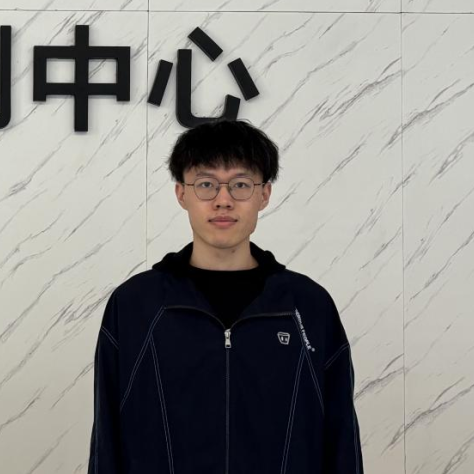
Jiang Qingchun
Vehicle Engineering | New Energy Technology Development
During his time at university, Jiang Qingchun benefited from project-based teaching, which allowed him to experience the complete technical problem-solving process in advance. In the course Design of Electric Vehicle Drive Systems, he and his team completed a full design proposal, from motor selection to control strategy simulation. This training enabled him to quickly grasp the logic of electric drive system testing after joining the testing department. Starting with basic data recording, he gradually took on core tasks such as performance testing and reliability verification, ultimately securing a formal position based on his professional skills.
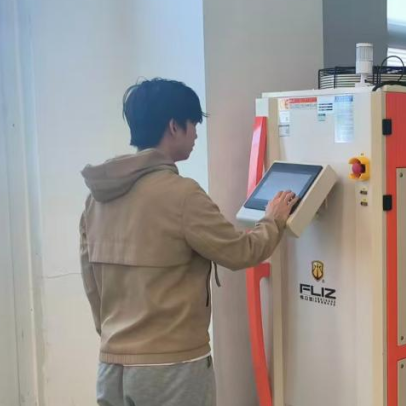
Lin Xianchuan
Measurement and Control Technology and Instruments | New Energy Technology Development
Lin Xianchuan initially felt frustrated due to his unfamiliarity with salt spray testing operations.However,the university’s integrated industry-education-research cultivation model gave him exposure to real corporate projects during his studies. In his junior year, the course Sensor and Detection Technology incorporated a salt spray testing case provided by an enterprise, giving him a preliminary understanding of the testing principles. With patient guidance from mentors and senior colleagues, he gradually mastered the core skills—from solution preparation to corrosion level assessment—and is now capable of independently managing the entire salt spray testing process.
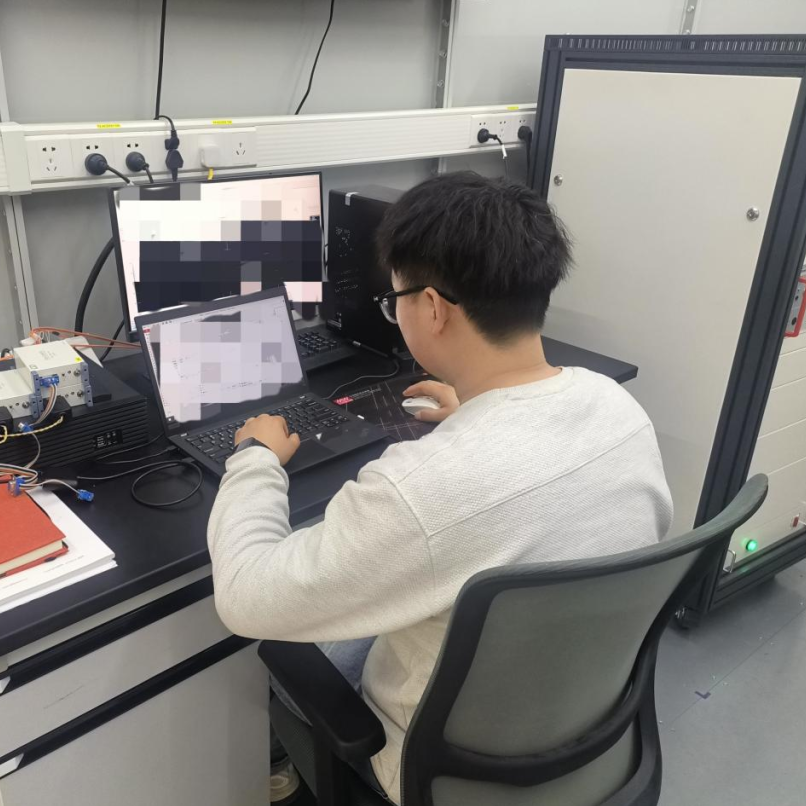
Yue Xingbang
Communication Engineering | New Energy Technology Development
Yue Xingbang currently focuses on electrical performance and electromagnetic compatibility testing of key automotive components. During his studies, the university’s educational philosophy of "implementing creativity, innovation, and entrepreneurship through practice, reality, and capability" helped him develop a pragmatic and truth-seeking work ethic. During his internship, he optimized processes and reused wiring harnesses in a task involving the alternative testing of battery chargers, significantly improving testing efficiency. He realized that being pragmatic requires proactive thinking. The university’s comprehensive system supported his smooth transition from student to working professional.
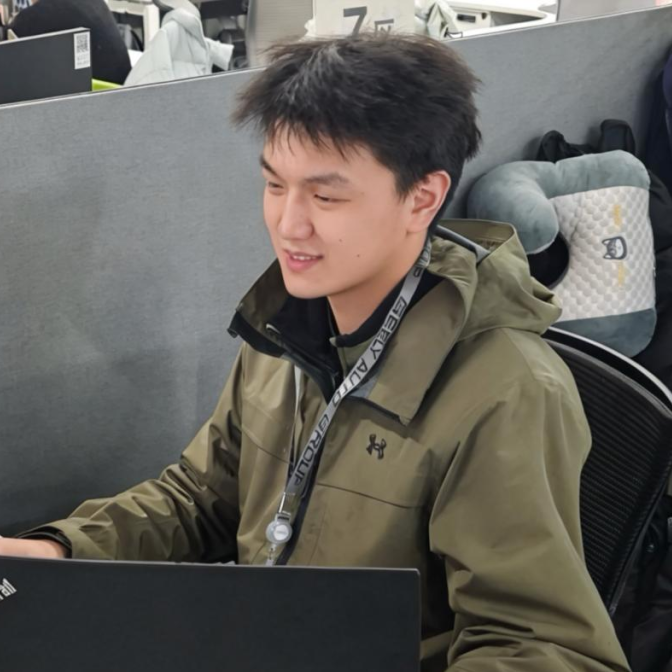
Ma Yonghao
Communication Engineering | Standards Management
Ma Yonghao joined the Standards and Knowledge Department at Geely Auto Research Institute. The university’s "Three Campuses" initiative helped him adapt to diverse work scenarios in advance. Through the cross-campus program, he was able to enter the workplace early as part of the "3+1" training model. After a six-month internship, he successfully passed the final evaluation for full-time employment.
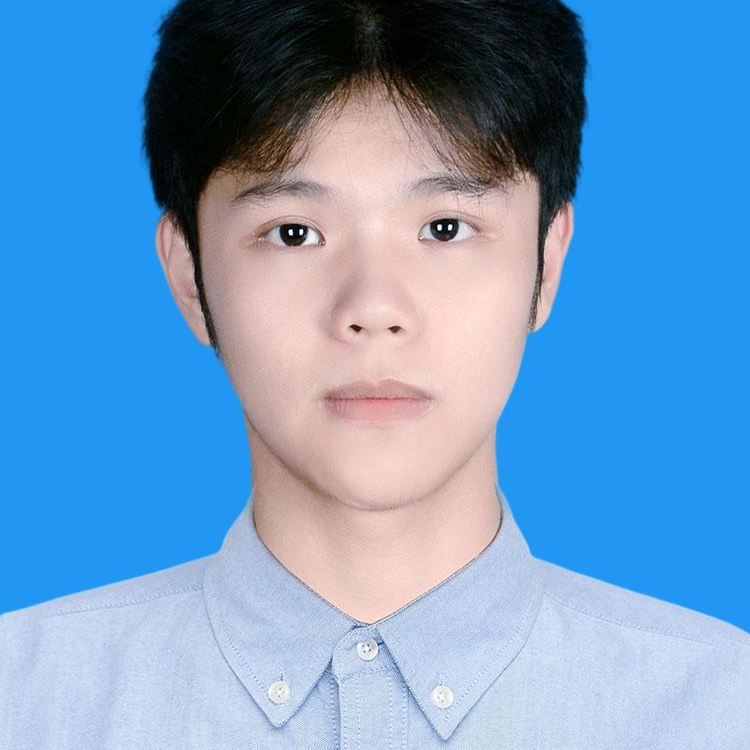
Chen Huanbin
Electronic Information Engineering | Environmental Adaptability Development
The well-designed pathway of "course → project → internship" provided him with a clear direction for growth. Classroom learning strengthened his theoretical foundation, academic competitions enhanced his practical skills, and corporate internships helped him achieve job readiness. He won provincial awards in the National Undergraduate Electronic Design Contest and a second-class national award in the National Marine Vehicle Design and Production Competition. In the second half of his junior year, he joined Geely for an internship through the "Xingli Project". Leveraging the independent learning and practical innovation skills cultivated at the university, he quickly adapted and successfully signed with the company.
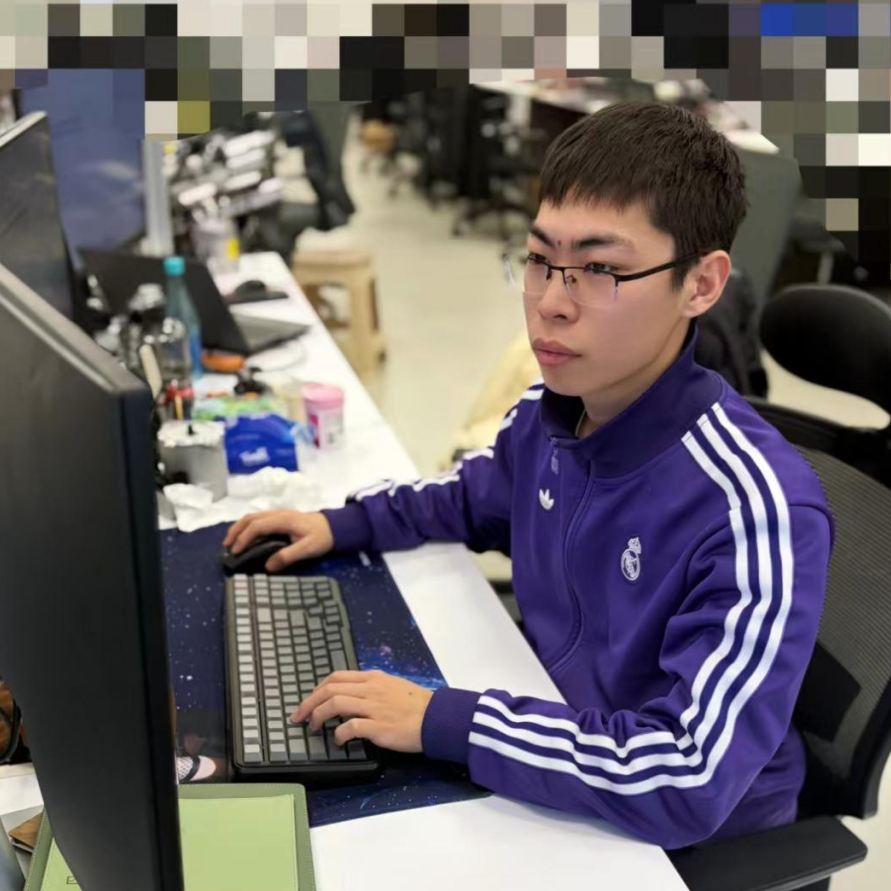
Zhu Junhao
Vehicle Engineering | R&D Internship
When Zhu Junhao first entered the workplace, he lacked practical experience. Fortunately, courses such as Automotive Theory and Principles of Automotive Electronic Control Technology provided him with a solid theoretical foundation. The LST course model—which combines core theory lectures, seminar discussions analyzing control strategy cases, and practical sessions using simulation software — helped him quickly understand testing requirements and system principles.
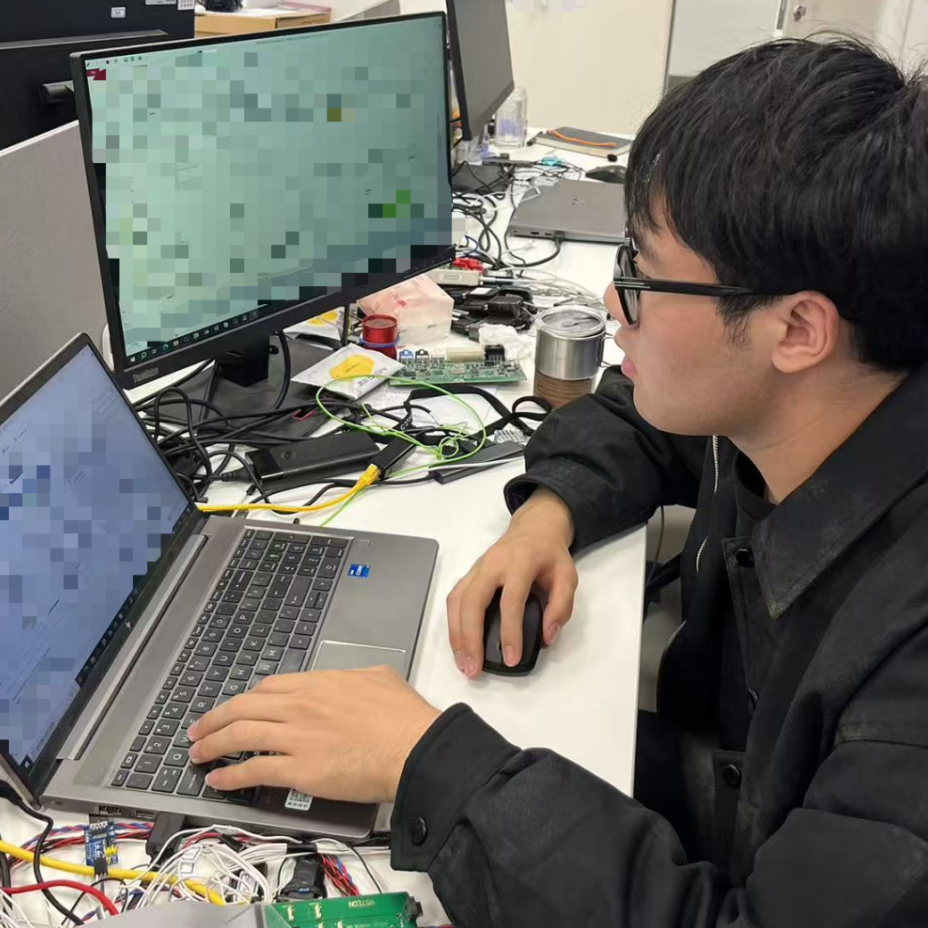
Dong Jiye
Vehicle Engineering | R&D Internship
Dong Jiye noted that the university’s industry-education integration model allowed him to gain real internship experience while still in school, giving him early exposure to testing job responsibilities. Geely’s well-established training system and mentorship program helped him quickly integrate into the workplace. During his internship, he participated in multiple core testing tasks, including vehicle functions and component reliability, and successfully transitioned to a full-time role without undergoing cumbersome assessments.
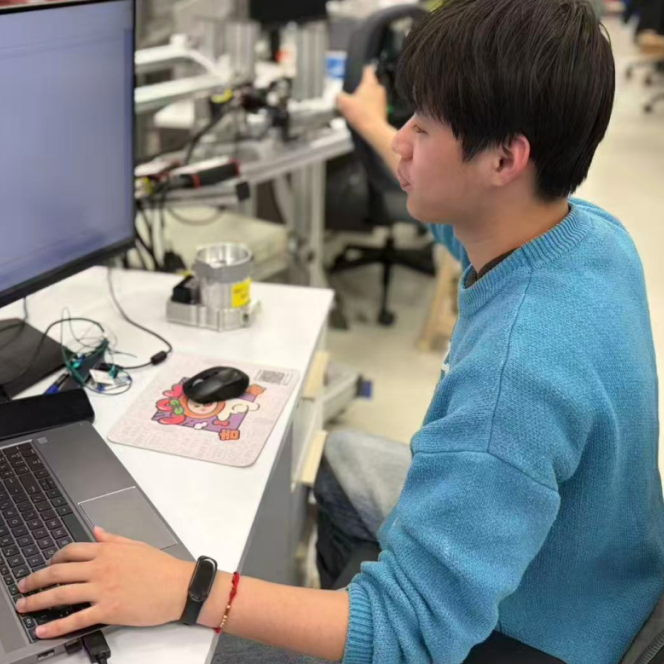
Yang Wenquan
Vehicle Engineering | R&D Internship
The university’s "1+3+N" education model—featuring one full-process mentor, three types of learning pathways, and N practical scenarios—greatly benefited him. His mentor began helping him plan his career direction from his sophomore year, recommending relevant courses and internship opportunities. During the early stages of his internship, when faced with practical tasks such as brake systems and HIL testing platforms, the mentor maintained regular communication with the company to help him connect classroom knowledge with real-world work, ultimately facilitating his transition from student to engineer.
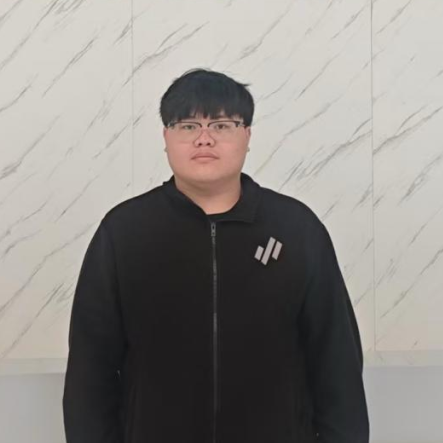
Wu Shuhai
Vehicle Engineering | New Energy Technology Development
Guided by the university’s student-centered educational philosophy, Wu Shuhai enjoyed significant autonomy in his career choices. In his junior year, he chose an internship direction in the automotive industry based on his interests. The university provided flexible course scheduling and internship credit substitution, allowing him to fully dedicate himself to the internship. Through persistent effort, he successfully passed the full-time assessment and continues to deepen his expertise in his current role.
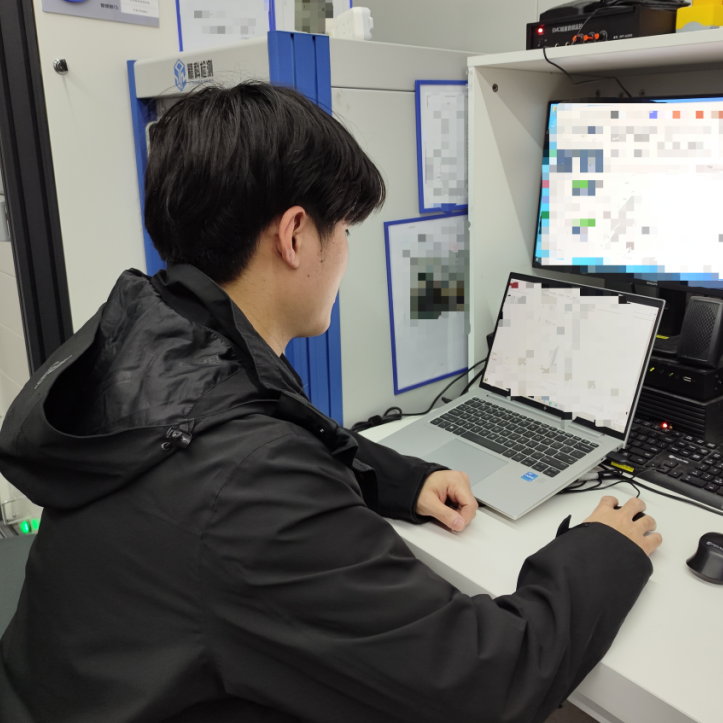
Zhou Pan
Measurement and Control Technology and Instruments | New Energy Technology Development
Zhou Pan’s growth benefited from the university’s personalized cultivation philosophy of "a thousand people, a thousand paths; one student, one plan." A tailored growth path was designed for him: based on his interests and strengths, his mentor advised him to focus on EMC testing and recommended relevant courses and competitions. Faculty members visited him on-site and followed up online, coordinating solutions for course substitution and thesis defense. He successfully passed his final evaluation and plans to continue deepening his expertise in the EMC testing field after graduation.
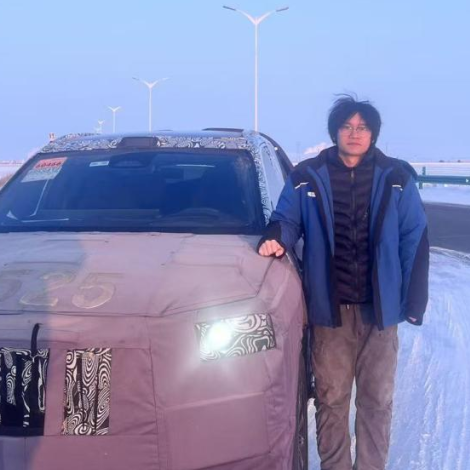
Kang Chenwei
Measurement and Control Technology and Instruments | Non-Frontline Intern
When Kang Chenwei first began his internship at Geely’s vehicle assembly workshop, he encountered numerous challenges due to the gap between theory and practice. Through the university’s dual-mentor system, his corporate mentor provided hands-on guidance. He used his spare time to repeatedly practice and tackle problems, gradually achieving independent operation through perseverance. During his internship, when a vehicle he was working on produced abnormal sounds, he stayed after work with his mentor to investigate and ultimately identified the root cause, deeply appreciating Geely’s commitment to continuous improvement and craftsmanship.
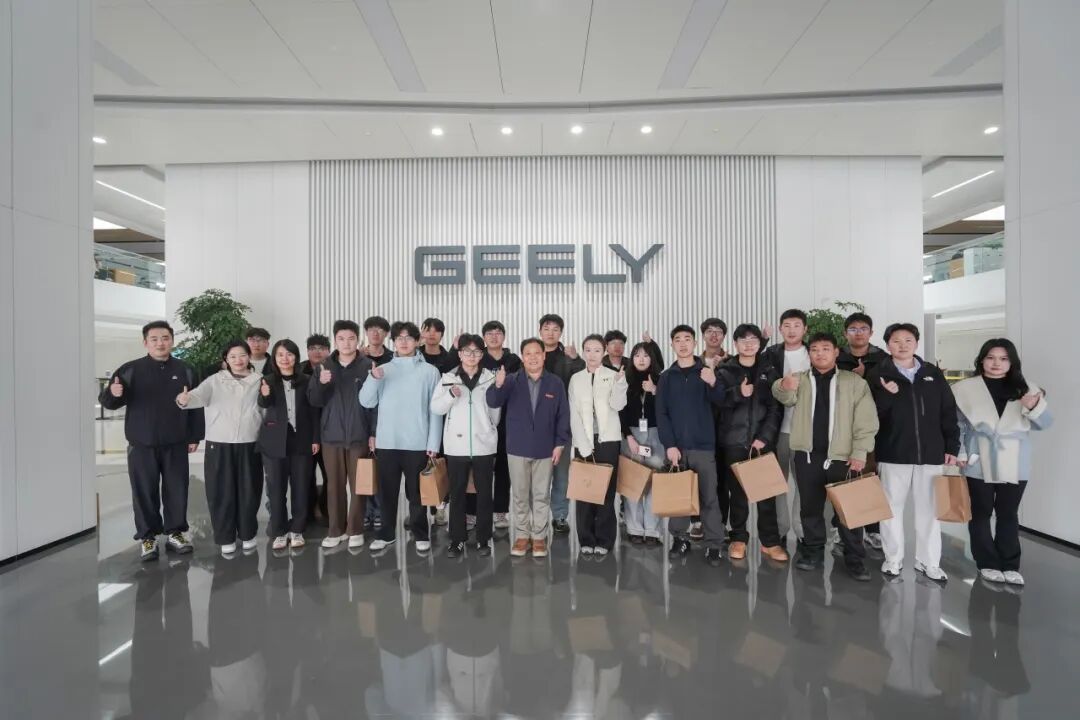
From campus to the workplace, from classrooms to R&D frontiers, they have proven that "entering university is to be better prepared for the society" is not just a slogan, but a journey of growth where every step counts.
文图来源|三亚学院、吉利汽车研究院
编辑和翻译:丛杉
一审一校:王玲
二审二校:丛杉
三审三校:张宇红